English
  简体中文
简体中文 

The vision of a Smart City lies in achieving the perception, interconnection, and intelligence of urban resources. However, in actual urban operations, administrative approval, public security, traffic dispatch, and emergency response are often scattered across different departments, creating “islands” of data and decision-making. The global trend beyond 2025 is moving toward an integrated “Unified Management” model for city command centers.
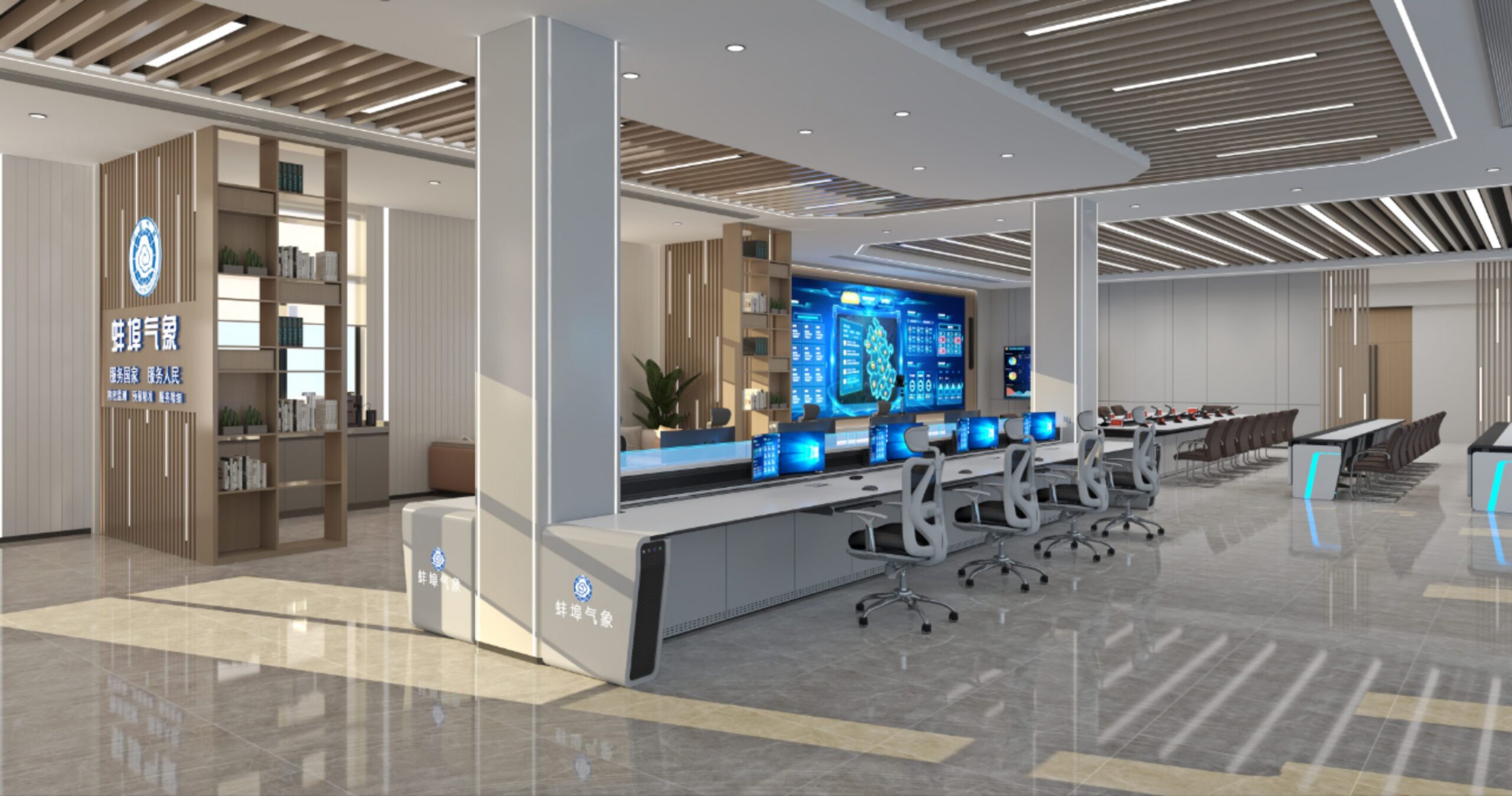
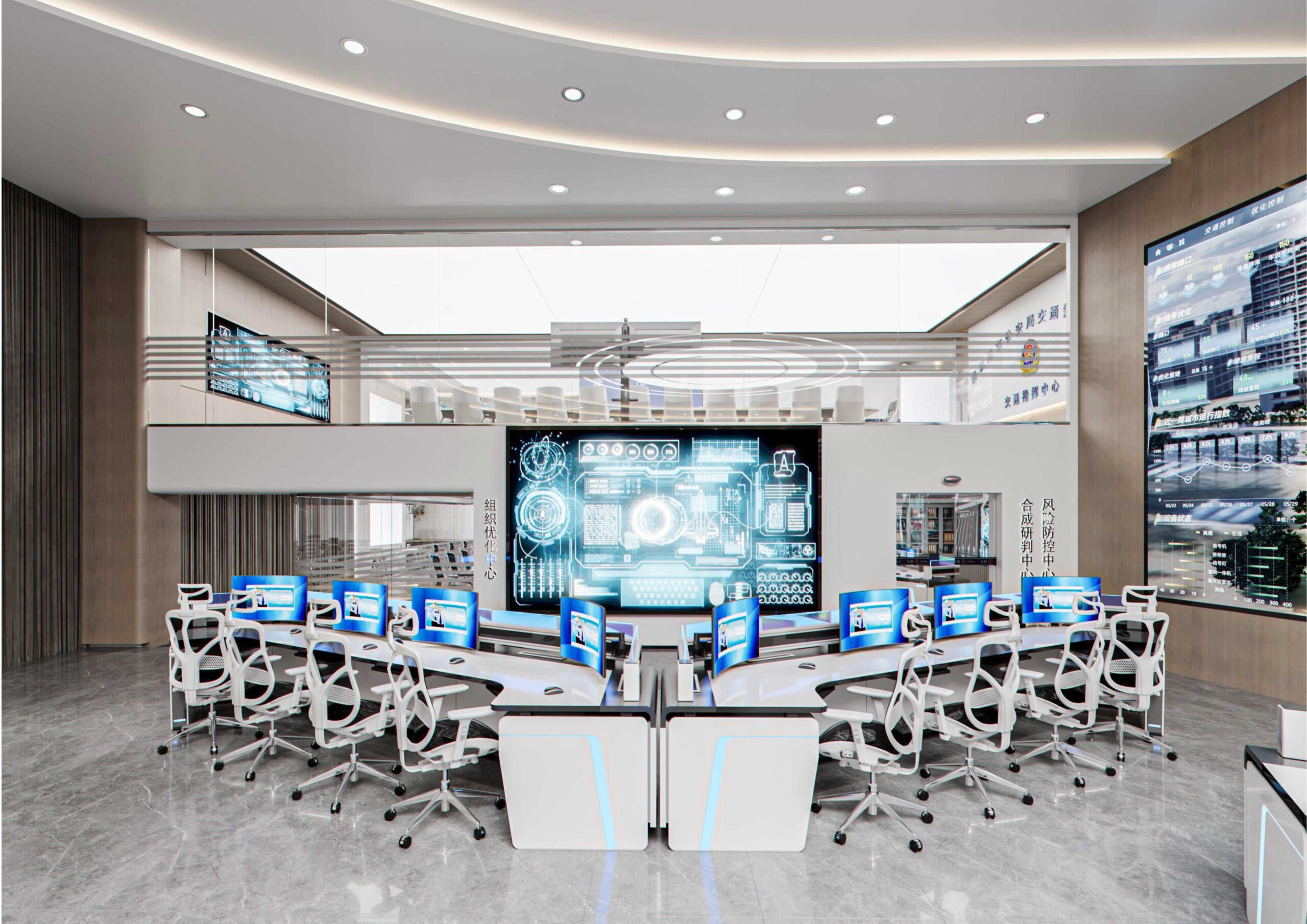
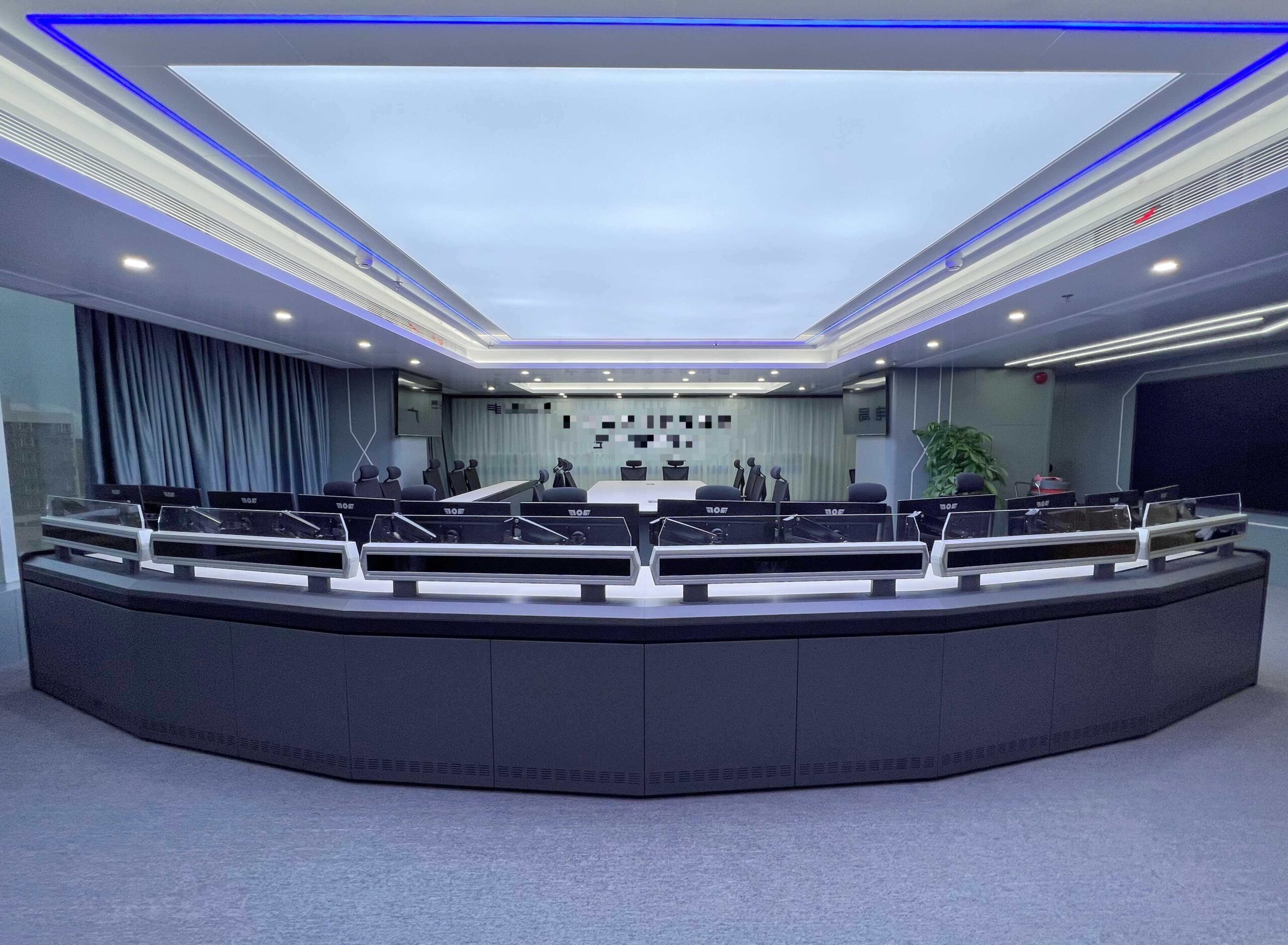
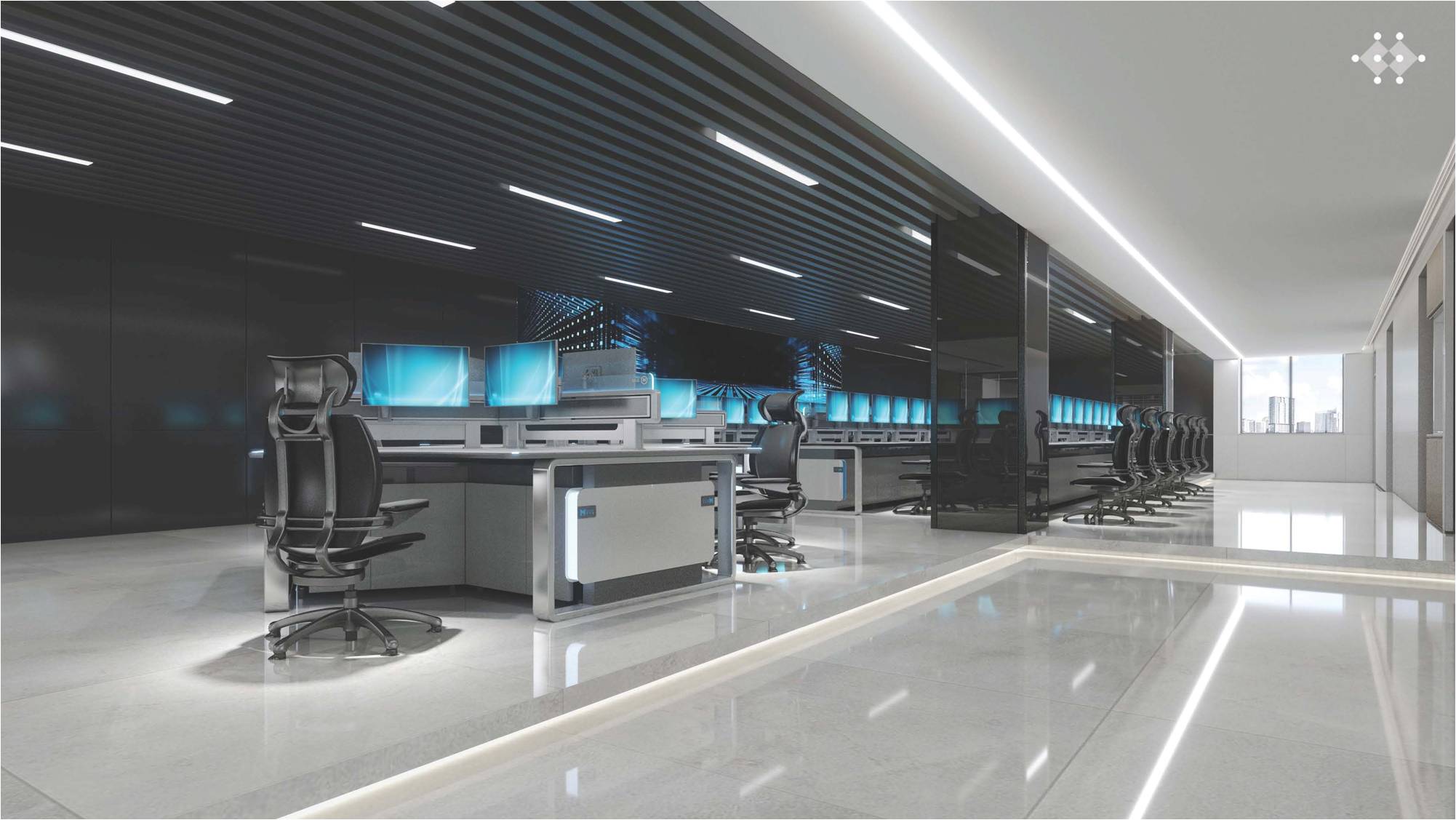
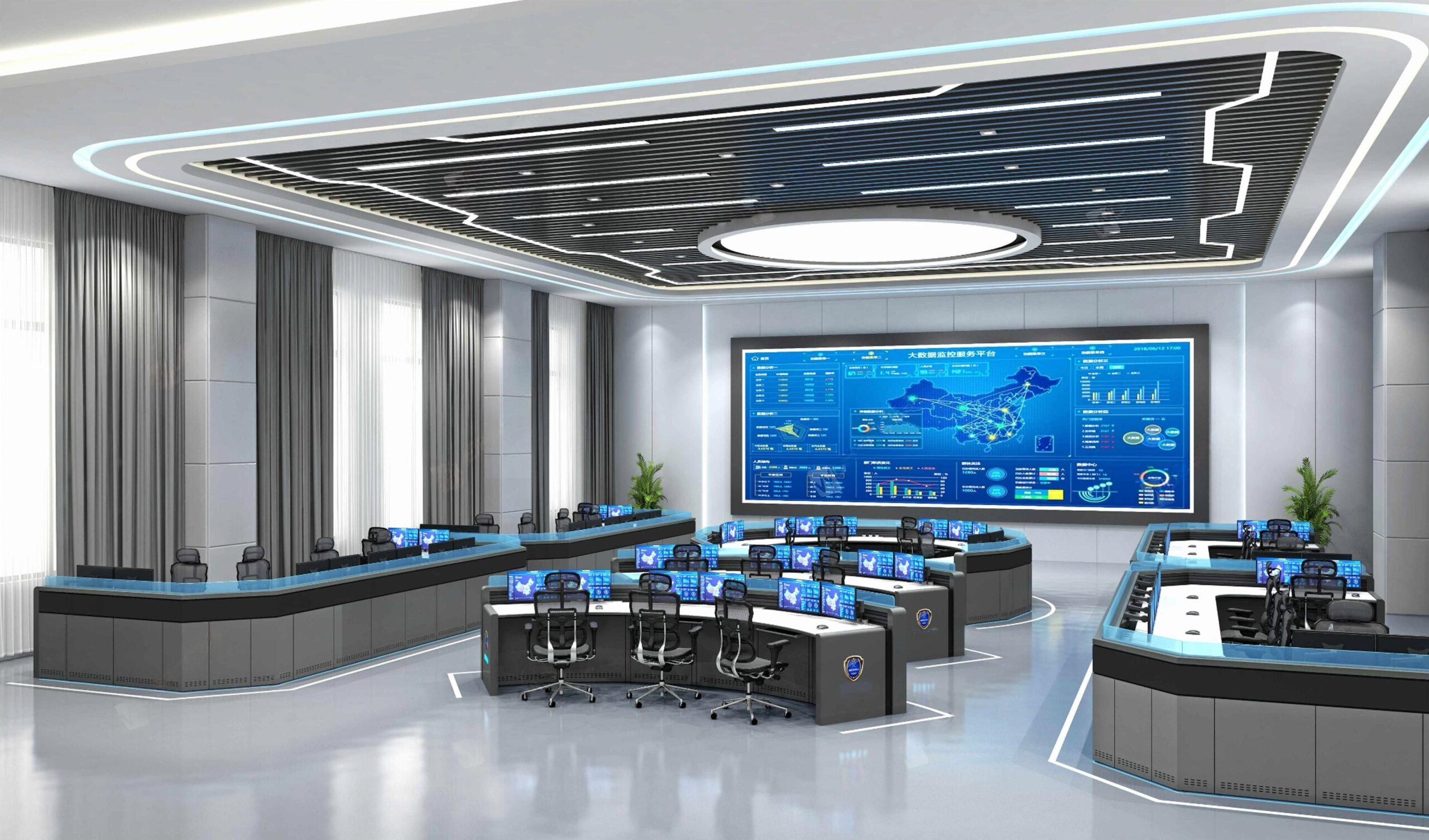
This integration is not a simple relocation of office space; it is a deep fusion on both logical and physical levels. The Urban Operation Center (UOC), as the manifestation of the “City Brain,” must process information from thousands of sensors, cameras, and IoT nodes citywide. In such a digital hall, big data visualization becomes the core of decision-making. To ensure that decision-makers can quickly capture critical information from complex charts, the design of the control center must adhere to extremely high ergonomic standards. The angle of sight, screen distance, and even the influence of ambient light on display effects must be precisely calculated.
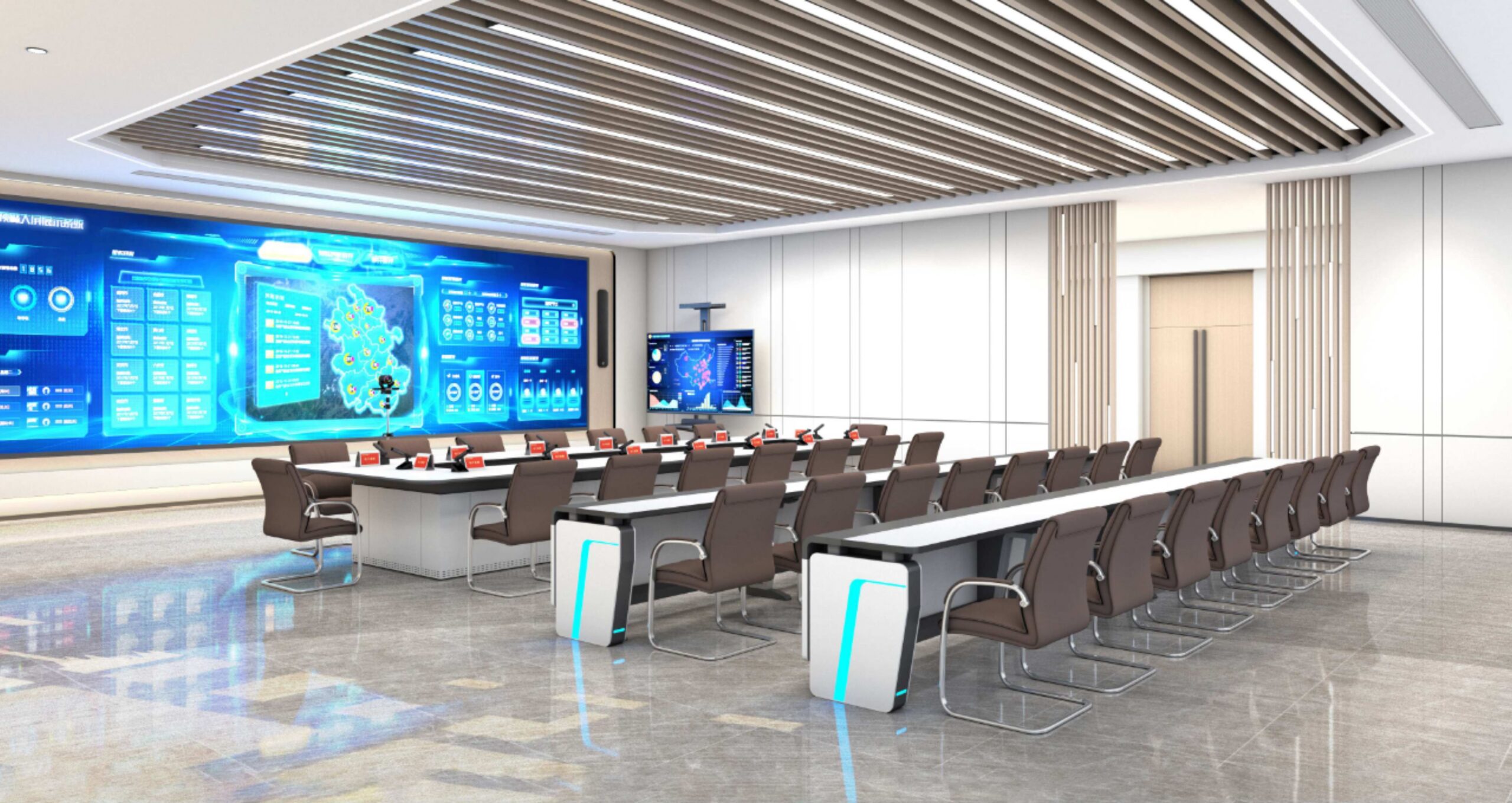
The governance capacity of a smart city is ultimately reflected in the response speed to emergencies. When traffic congestion, public security risks, or extreme weather occur simultaneously, the physical space for multi-departmental collaboration must support the seamless flow of information. This means that consoles must not only accommodate massive communication hardware but also provide a flexible collaborative layout to support instant interaction between different functional seats. A modern city command center is a symbol of urban competitiveness, making cities more livable and safe by converting cold data into efficient action.