English
  简体中文
简体中文 

In 2025, the definition of “Ergonomics” has expanded beyond physical posture to include Cognitive and Sensory Ergonomics. A major trend emerging in Western markets is the push for Neuro-inclusive Command Centers—environments designed to support operators with varying cognitive profiles, including those with ADHD, dyslexia, or high sensory sensitivity. In high-stress 24/7 environments, managing sensory input is now recognized as a critical factor in reducing human error.
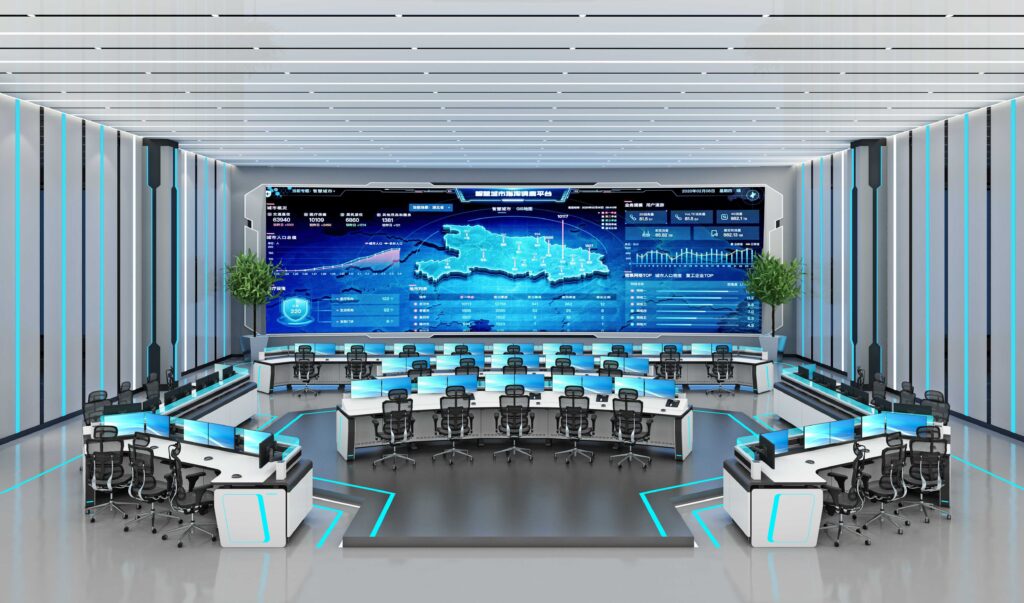
Sensory Load Management Modern command centers are sensory-heavy: flashing lights, multiple alarms, and high-contrast screens. WuBang is leading the 2025 transition by integrating “Sensory Zones” within our consoles. This includes matte, non-reflective surface finishes that eliminate glare (a major trigger for visual fatigue) and acoustic-dampening modesty panels that reduce the ambient hum of hardware cooling fans. By controlling the immediate micro-environment around the operator, WuBang helps SIs deliver a space where focus is sustained through calm, not just coffee.
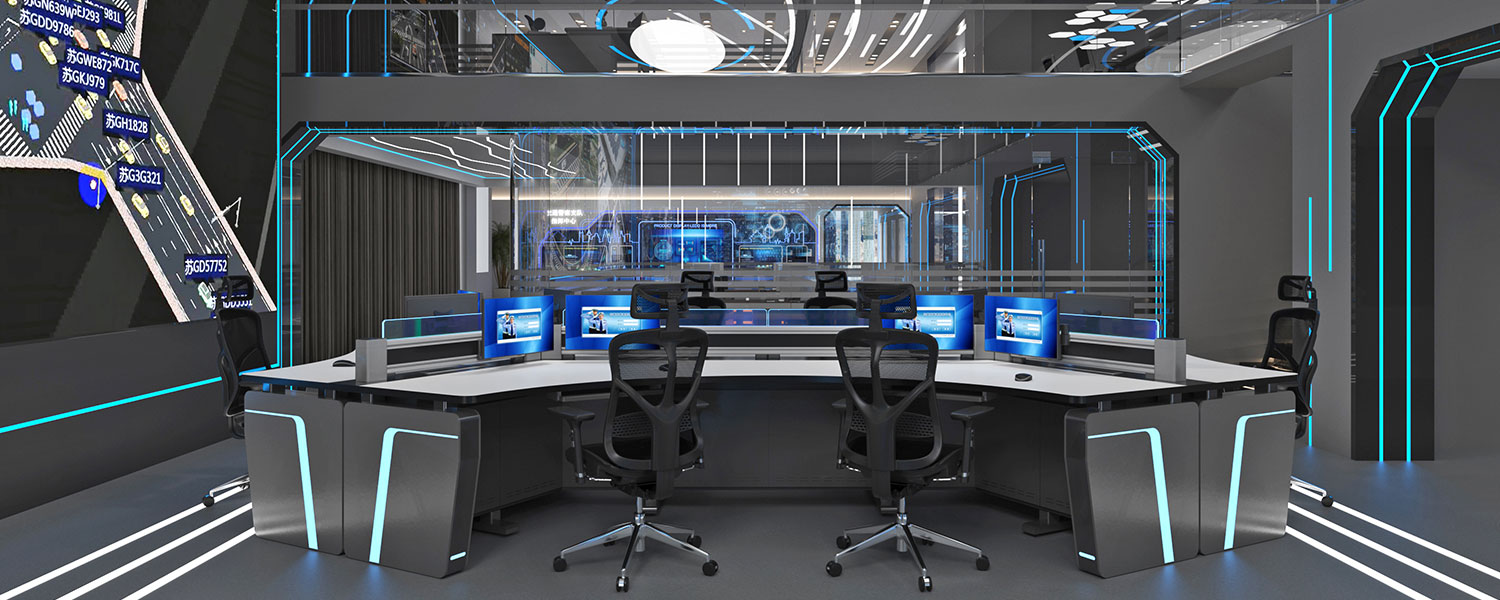
Personalized Micro-Environments The “one-size-fits-all” approach to command centers is dead. In 2025, operators expect a high degree of agency over their workspace. WuBang’s latest consoles feature integrated “Personal Environment Controllers” (PEC). This allows each operator to adjust their own task lighting color temperature (from energizing blue-white to calming warm-amber) and localized airflow. This level of personalization is not just a luxury; it is a retention tool for agencies struggling to find and keep skilled operators in a competitive global market.

Cognitive Load Reduction through Intelligent Geometry WuBang’s WB-YZ series has evolved in 2025 to incorporate “Focus Path” geometry. By utilizing curved monitor arrays that mimic the human natural field of vision, we reduce the “scanning effort” required by the brain. When an operator can see all critical data without excessive head movement, cognitive load is lowered, and reaction time is sharpened. As AI provides more data than ever, the console’s role is to help the human brain filter the signal from the noise.